

Effective snow and ice control in industrial manufacturing is essential for maintaining a safe and productive environment. Companies that adopt best practices can greatly reduce the risks associated with winter weather. This approach not only protects employees but also minimizes operational disruptions. However, understanding the specific strategies and their impacts requires careful examination. The following sections will explore the intricacies of these practices and their implications for safety and efficiency.
Key Takeaways
- Regular snow and ice control enhances safety, reducing risks of slips, falls, and winter-related accidents in manufacturing environments.
- Proactive planning and assessments identify high-risk areas, ensuring timely snow removal and de-icing application for operational efficiency.
- Employee training in best practices fosters a culture of safety, responsibility, and belonging among staff, minimizing accidents and downtime.
- Utilizing weather forecasting tools improves decision-making, enabling prompt responses to winter weather challenges and enhancing operational continuity.
- Initial investments in snow and ice control lead to long-term savings by decreasing accidents, workers’ compensation claims, and equipment damage.
Why Snow and Ice Control Matters in Manufacturing
Effective management of snow and ice control is critical in the manufacturing sector. The implications of neglecting this aspect can be substantial, affecting both safety and operational efficiency. Best practices for snow and ice control include regular inspections, timely snow removal, and the application of appropriate de-icing agents. Such measures guarantee safe access to facilities, minimize disruptions, and protect equipment from damage. Furthermore, establishing a proactive approach cultivates a culture of safety and responsibility among employees, fostering a sense of belonging within the organization. By prioritizing effective snow and ice management, manufacturers not only comply with safety regulations but also enhance overall productivity, demonstrating their commitment to excellence in every operational facet.
Top Strategies for Best Practices for Snow and Ice Control
Implementing best practices for snow and ice control requires a strategic approach that minimizes risks and maximizes operational efficiency. Organizations should prioritize regular assessments of their facilities to identify high-risk areas susceptible to accumulation. Proactive planning, including timing for snow removal and application of de-icing materials, is essential. Utilizing technology such as weather forecasting tools can enhance decision-making, guaranteeing timely responses to adverse conditions. Training staff in proper techniques and safety protocols further reinforces a culture of safety and responsibility. Additionally, establishing clear communication channels among teams guarantees swift coordination during snow events. By adopting these strategies, companies can cultivate a more resilient operational environment, fostering a sense of community and shared commitment to safety among all employees.
How Does Effective Snow and Ice Control Improve Safety and Productivity?
Snow and ice control markedly enhances workplace safety and productivity by mitigating hazards associated with winter weather. Effective implementation of best practices for snow and ice control guarantees that surfaces remain accessible and safe for employees, thereby reducing the risk of slips, falls, and other winter-related accidents. When walkways, loading docks, and driveways are promptly cleared, operational efficiency improves as employees can navigate without hindrance. Furthermore, maintaining a safe environment fosters a culture of trust and belonging among workers, as they feel valued and protected. This proactive approach not only minimizes downtime due to injuries but also promotes a sense of accountability and teamwork, ultimately driving overall productivity and morale within the industrial manufacturing setting.
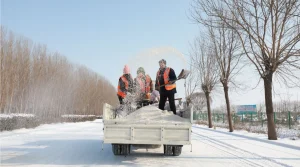
The Cost-Benefit of Snow and Ice Control Best Practices
Maintaining a safe and efficient workplace during winter months involves a careful analysis of the cost-benefit dynamics of snow and ice control best practices. Implementing these strategies requires upfront investment in equipment and materials, yet the long-term savings often outweigh initial expenditures. Reduced accidents lead to lower workers’ compensation claims and decreased downtime, fostering a more productive workforce. Additionally, efficient snow and ice management minimizes equipment damage and enhances operational continuity. By adopting these best practices, companies not only promote employee safety but also cultivate a culture of care and responsibility. This strategic approach ultimately contributes to financial stability and a stronger sense of community within the organization, aligning operational goals with employee well-being.
Case Studies on Effective Snow and Ice Control Best Practices
Examining real-world applications of effective snow and ice control best practices reveals valuable insights into their operational impact. Various industrial manufacturers have demonstrated the advantages of these strategies through targeted implementations. Notable examples highlight:
- Proactive Planning: Companies that develop seasonal action plans reduce response times during snow events.
- Employee Training: Organizations investing in staff education on best practices for snow and ice control experience fewer accidents.
- Technology Integration: Utilizing weather tracking software enhances decision-making, allowing for timely interventions.
- Sustainable Solutions: Firms adopting eco-friendly de-icing agents minimize environmental impact while maintaining safety.
These case studies illustrate how embracing best practices for snow and ice control not only fosters safety but also promotes a culture of responsibility and belonging within the workforce.
Frequently Asked Questions
What Equipment Is Ideal for Snow and Ice Control in Manufacturing?
Effective snow and ice control in manufacturing requires specialized equipment such as snow plows, salt spreaders, and de-icing systems. These tools enhance safety and efficiency, ensuring ideal operations during adverse winter conditions.
How Often Should Snow and Ice Control Measures Be Implemented?
Snow and ice control measures should be implemented regularly, ideally before and after significant snowfall events. Consistent monitoring and timely action guarantee safety and operational efficiency, fostering a secure environment for all employees and processes.
Are There Specific Regulations for Snow and Ice Control in Manufacturing?
Yes, specific regulations for snow and ice control in manufacturing exist, often dictated by local safety standards and environmental guidelines. Adhering to these regulations guarantees worker safety and operational efficiency during winter conditions.
What Training Is Necessary for Staff on Snow and Ice Control?
Training for staff on snow and ice control should encompass safety protocols, equipment operation, and emergency response strategies, ensuring a thorough understanding of best practices for snow and ice control to maintain operational efficiency and safety.
How Can Technology Enhance Snow and Ice Control Practices?
Technology enhances snow and ice control practices through advanced monitoring systems, data analytics, and automated equipment. These innovations improve efficiency, reduce risks, and guarantee safety, aligning with best practices for snow and ice control in industrial environments.
Conclusion
To sum up, implementing best practices for snow and ice control in industrial manufacturing is essential for enhancing safety and productivity. By prioritizing proactive measures and employee training, organizations can greatly mitigate risks associated with hazardous conditions. The strategic approach not only protects equipment and reduces operational downtime but also fosters a culture of safety, ultimately leading to improved efficiency. Embracing these practices positions companies to thrive in challenging winter environments, ensuring long-term sustainability and employee well-being.
You May Also Like To Read: