

Businesses often underestimate the importance of regular roof inspections, leading to significant repair costs. By employing various inspection methods, organizations can identify potential issues before they escalate. Each technique, from basic visual assessments to advanced drone surveys, plays a vital role in maintaining roof integrity. Understanding these methods is essential for proactive management. What specific strategies can organizations implement to safeguard their roofing systems effectively?
Key Takeaways
- Regular visual inspections help identify visible wear, such as cracks and missing shingles, preventing further damage and costly repairs.
- Utilize infrared technology for advanced detection of hidden moisture and insulation issues that aren’t visible during standard inspections.
- Employ drone inspections to safely gather extensive visual data, reducing risks and minimizing labor costs during roof surveys.
- Schedule routine maintenance, including debris removal and sealant checks, to ensure ongoing roof integrity and longevity.
- Hire professionals for thorough assessments when signs of deterioration or frequent leaks become evident, enhancing overall roof health.
The Risks of Skipping Roof Inspections: Why They Matter
Neglecting regular roof inspections can lead to significant long-term consequences for businesses, as the integrity of a roof directly affects overall property safety and operational efficiency. Without consistent evaluations, hidden issues can escalate, resulting in costly repairs and potential disruptions. Various roof inspection methods, such as infrared scanning or moisture surveys, provide critical insights into the roof’s condition, helping to identify vulnerabilities before they worsen. The absence of these assessments can lead to water damage, structural failures, and even safety hazards for employees and customers. Ultimately, prioritizing regular inspections fosters a sense of security, ensuring that businesses can operate smoothly and protect their investments. Adopting a proactive roof inspection process is a prudent choice for any responsible business owner.
Visual Inspections: The First Step in Roof Assessment
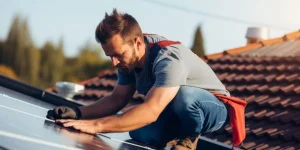
Visual inspections serve as a foundational aspect of roof assessment, offering an immediate overview of a roof’s condition. This method allows inspectors to identify visible signs of wear, such as cracks, missing shingles, and water pooling. Conducted from both the ground and the roof itself; these inspections can reveal potential issues that may escalate if left unaddressed. Inspectors often utilize checklists to guarantee thoroughness, noting any anomalies that could indicate underlying problems. Regular visual inspections not only enhance safety but also foster a proactive maintenance culture within businesses. By integrating this essential roof inspection method into routine assessments, organizations can greatly mitigate the risk of costly repairs, guaranteeing the longevity and integrity of their roofing systems.
Infrared Technology in Roof Inspection Methods: Detecting Hidden Moisture
While traditional roof inspection methods provide valuable insights, infrared technology offers a more advanced approach to detecting hidden moisture within roofing systems. This non-invasive technique utilizes thermal imaging to identify temperature variations indicative of moisture accumulation. By capturing heat signatures, infrared cameras can reveal areas where insulation is compromised or water has infiltrated, which may not be visible through standard inspection methods. Early detection of moisture issues allows businesses to mitigate damage, thereby avoiding costly repairs and extending the lifespan of their roofs. Incorporating infrared technology into the roof inspection process enhances overall assessment accuracy, making it an essential tool for property managers and business owners seeking to protect their investments and guarantee long-term structural integrity.
Drone Inspections: A Modern Approach to Roof Surveys
Building on the advancements in roof inspection methods, drone technology has emerged as a groundbreaking tool for conducting roof surveys. This innovative approach offers numerous advantages, enhancing both safety and efficiency in inspections. Drones can easily access hard-to-reach areas, providing high-resolution imagery and detailed data. Key benefits include the following:
- Safety: Reduces risks associated with climbing ladders or scaffolding.
- Cost-Effectiveness: Minimizes labor costs and inspection time.
- Comprehensive Data: Captures extensive visual data for thorough analysis.
- Real-Time Monitoring: Facilitates immediate assessment and reporting.
As businesses increasingly adopt drone inspections, they not only streamline their roof maintenance processes but also greatly reduce the likelihood of costly repairs in the future.
How Moisture Mapping Reveals Your Roof’s Weak Spots
Moisture mapping serves as an essential tool in identifying vulnerabilities within a roof’s structure. This technique employs advanced technology to detect moisture accumulation that may not be visible to the naked eye. By using thermal imaging and other sensing devices, professionals can pinpoint areas of excessive moisture, which often indicate potential leaks or structural weaknesses. Identifying these weak spots early allows for timely intervention, ultimately preventing costly repairs and extending the roof’s lifespan. Additionally, moisture mapping provides a thorough overview of the roof’s health, aiding business owners in making informed decisions regarding maintenance. As a proactive roof inspection method, it fosters a sense of security, ensuring that all stakeholders are aware of their investment’s condition and longevity.
The Role of Routine Maintenance in Roof Inspections
Routine maintenance plays a critical role in effective roof inspections, serving as a proactive strategy to identify and mitigate potential issues before they escalate. Regularly scheduled maintenance allows businesses to maintain the integrity of their roofs, reducing the likelihood of costly repairs. Key components of routine maintenance include:
- Visual Inspections: Regularly checking for visible signs of wear and tear.
- Debris Removal: Clearing gutters and roof surfaces to prevent water accumulation.
- Sealant Checks: Evaluating and renewing sealants to prevent leaks.
- Flashing Inspection: Ensuring that flashing is intact to protect vulnerable areas.
Signs It’s Time to Hire a Professional for Roof Inspections?
Recognizing the signs that it’s time to hire a professional for roof inspections can greatly impact a business’s long-term maintenance strategy. Key indicators include visible deterioration, such as curling shingles or water stains on ceilings, which suggest underlying issues. Additionally, frequent leaks or increased energy bills may signal that the roof is not performing at its best. If the roof is nearing its expected lifespan, seeking a professional evaluation is prudent. Moreover, after severe weather events, a detailed inspection can identify hidden damage. Engaging experts guarantees a thorough assessment, utilizing advanced roof inspection methods, which can ultimately save businesses from costly repairs and prolong the roof’s life, fostering a sense of security and community responsibility among stakeholders.
Frequently Asked Questions
How Often Should Businesses Schedule Roof Inspections?
Businesses should schedule roof inspections at least twice a year, ideally in spring and fall. This proactive approach helps identify potential issues early, ensuring the roof’s longevity and minimizing the risk of costly repairs.
What Are Common Signs of Roof Damage?
Common signs of roof damage include water stains, missing shingles, sagging areas, cracked flashing, and mold growth. Regularly observing these indicators helps businesses identify issues early, facilitating timely repairs and prolonging roof lifespan.
Can I Perform Roof Inspections Myself?
Individuals can perform roof inspections themselves, but they should possess a solid understanding of roofing systems and safety protocols. Proper training and knowledge of roof inspection methods can enhance their effectiveness and prevent overlooked issues.
What Is the Average Cost of a Roof Inspection?
The average cost of a roof inspection typically ranges from $200 to $500, depending on the size and complexity of the roof. Investing in professional evaluations can prevent significant future repair expenses for business owners.
How Long Does a Typical Roof Inspection Take?
A typical roof inspection takes between one to three hours, depending on the roof’s size and condition. Thorough assessments guarantee all potential issues are identified, ultimately safeguarding the property and preventing costly future repairs.
Conclusion
To summarize, adopting an all-encompassing roof inspection strategy is essential for businesses aiming to mitigate repair costs and extend the lifespan of their roofing systems. By integrating regular visual assessments and advanced technologies like infrared and drones and maintaining routine upkeep, organizations can proactively identify and address vulnerabilities. Furthermore, recognizing the signs that necessitate professional evaluations guarantees that potential issues are managed before they escalate, safeguarding both financial investments and structural integrity over time.
You May Also Like to Read: